​ If not now, when?

​ If not now, when?

An open letter to international donors and NGOs who want to genuinely help Ukraine

We are Ukrainian CSOs and allies who are actively working to ensure that local civil societies have the ongoing resources and power they need to respond to short-term and long-term needs in our communities.

Many of us have already been taking a leading role in the humanitarian response, both in Ukraine and neighbouring countries. From the outset of the Russian military attack, we have been at the forefront of the response to ensure people are safe and looked after in this conflict, and that systems are in place to rebuild our communities when, hopefully, the conflict subsides. In Ukraine, almost all humanitarian aid has been provided by 150 local NGOs, church associations and 1,700 newly created volunteer-based CSOs. Many of these informal volunteer groups are now permanent active organisations operating in the region.

In spite of the fact that the international humanitarian sector has raised many millions of dollars, we have failed to see resources coming our way. In May, the UN Financial Tracking Service (FTS) showed that UN agencies received about two-thirds of humanitarian aid funding to Ukraine. International NGOs received 6% of the funding, while national Ukrainian NGOs received a scant 0.003% of the total amount. This doesn’t factor in the many millions that INGOs have been securing through direct appeals to the public. Yet we are the ones with access, local knowledge, connections, language and – most important of all – the personal commitment to saving lives and delivering help no matter what.

During the past four months of full-scale war, our members and colleagues have faced considerable challenges in order to gain access to the system of international funding that, even in the midst of a crisis and with local human resources and know-how at the ready, prioritises international organisations over local ones.

We call on donors and INGOs to rapidly consider a different approach in this war – one that builds on successes elsewhere, but that can also be used to model the behaviour we know will nurture stronger civil societies everywhere. Many of our allies in the #ShiftThePower movement hashave already pioneered the knowledge on how to do this in other contexts.

We don’t have to wait until the war ends — here is a simple list of the immediate things we think you can do to shift the power to local organisations, where it is most needed:

1.Cut the bureaucracy.

Despite official statements of international organisations that they seek to support local public initiatives in Ukraine, the reality is that in order to receive these funds, tens, or hundreds, or even thousands of procedures are required. We don’t have the human resources to do this, nor do we think this is a priority. Trust and accountability are basic principles for cooperation. Ukrainian NGOs cannot afford to fill out grant applications in volume, nor multiple, repetitive, lengthy due diligence procedures, by some designated International deadline. We are working in the conditions of hostilities. Small organisations need unrestricted flexible funding, provided rapidly: we can demonstrate our legitimacy in other ways, through our actions on the ground and the validation of our peers, the networks that we belong to and the communities we serve.

2.Let local civil society actors decide our priorities and how we wish to act in solidarity in this conflict.

In the midst of the war, we cannot ignore the needs of combatants. We know that aid is rarely ‘neutral’. Yet we are being prevented from receiving much-needed resources because of a bias towards this assumption about ‘neutrality.’ The aid sector has documented multiple ways in which even so-called ‘neutral’ aid has unintended consequences, and can make inter-group divisions worse and reduce self-reliance and harm local markets.

We do not want to remain “neutral”. The value of human life must come first, and supporting the needs of those on the front line can significantly reduce the amount of civilian aid needed and the number of casualties. Whilst we recognise that International organisations may want to be perceived as such, it should be up to local civil society in these circumstances to determine our own approaches and priorities.

Our approach and demand for solidarity-based funding is supported by the academic Hugo Slim, who has written that solidarity and not neutrality, should dictate the actions of the International humanitarian community working with and in Ukraine. According to Slim, this approach would be following the long-held tradition of ‘resistance humanitarianism’ that was part of the resistance to Nazi-occupied Europe; and more recently seen in places like Myanmar and Syria.

Needs are changing rapidly and are different in different parts of the country and for different populations. We are far better at identifying what divides and connects people because of our historical and cultural knowledge and our more nuanced understanding of local alliances and support networks. Funding should remain flexible for us to deliver based on the priority needs local communities are asking for. Mis-guided assumptions about neutrality shouldn’t be a barrier to funding. Wouldn’t you want the same if you were also in a danger crisis?

3.Invest in ways to help local people tell our own stories and to help us explain what we are doing to help. This supports deeper understanding and helps us to secure access to resources directly.

INGOs and international agencies have been appropriating our knowledge and telling the listening and giving public what they think we need. To INGOs we say, “Stop trying to speak on our behalf and stop controlling narratives in ways that advance your own institutional interests!”

The technology and methodologies exist that can enable local people to share our experiences and needs. Listening to local people will help you to understand the horrors of the war crisis and the varied and changing needs. This results in greater solidarity and accountability and can influence where and how individual donors or institutional donors and the wider public choose to support us. That’s true accountability, where local people profile our own experiences and have the power to speak openly and report safely.

We therefore ask the international community to invest in strengthening these collective common systems so that we can easily and efficiently tell our own stories and communicate in our own language with a sympathetic public. We also ask you to listen to and amplify our voices and our experiences and our activities, in our name. This will actively build solidarity and understanding of the role of local actors in relief, recovery and rehabilitation work. This will also support us to secure more direct and sustainable resources.

4. Start to learn from us

We understand that a significant amount of funding provided by numerous international organizations is used for “capacity building”. But why is our potential the only problem? Do you know enough about how to work with the localization of international resources?

As noted earlier, we are rooted in our communities and have the historical, cultural, linguistic and contextual knowledge and understanding of local realities sufficient to respond effectively. Many of us organized and led public activities and community development long before the war. We believe that it is international organizations that often need to develop their own organizational capacity and knowledge of our context, our networks and what local civil society looks like in the long term. Perhaps, you can translate some of our resources into English to better understand our knowledge and existing approaches.

We want to promote bilateral interaction, instead of copying outdated bureaucratic schemes. Every day we take notes about our achievements and mistakes so that we know what we still have to learn.

When the hostilities die down, international resources will be very useful in streamlining our experience. We are ready to teach how to react and learn how to communicate. Today we can provide many practical solutions for improving the system of efficient use of resources.

Enough talking, it’s time to act! If not now, then when?

There have been many commitments and conferences about ‘the participation revolution’, decolonisation, accountability to local people, #ShiftThePower, localisation, the Grand Bargain and equitable partnerships among others. There has been enough talk! The gap between narrative and action is wide. Now we need to see action.

Now is not the time to excuse inaction by blaming “the aid architecture”, “the system”, “managers,” or “donors.” Each person working in INGOs or donor organisations, can contribute towards this change, whether it involves relaxing some of the rigid systems, sharing risks more equitably, advocating for alternative kinds of accountability metrics, or experimenting with new approaches and new (local) partners. And yes, this means challenging your own power and exercising humility.

We have an opportunity here to leave what’s old and doesn’t work behind in ways that can improve our situation in Ukraine immediately and can have lasting impacts around the world too.

The immediate response and the long-term post-conflict response will require a strong, well-resourced and resilient local civil society. We need to be supported to be civic actors in our own right, not simply projectised mimics of INGOs or “service providers’’. We are grateful to the international community that has shown solidarity and supports Ukraine by supporting this diverse, locally rooted, active and committed network of actors in Ukraine and neighbouring countries and we encourage the rest to come on board too.

By taking some of these immediate steps, your support will go a lot further to helping people affected by the war in Ukraine and many of us working on social justice throughout the world.

Sign the letter here: https://forms.gle/QHupsNPeFWxbb8sr7

If you have questions or you want to become an active participant of the initiative, contact our coordinator:

Karolina Soliar k.soliar@philanthropy.com.ua

Telegram – @caroline_solyar

List of public organizations who signed:

  1. Благодійна організація “Фонд громади міста Херсон “Захист”
  2. “ДОПОМОГА ЮНОСТІ: УКРАЇНА”
  3. “Органічна Україна.Північ”
  4. Багодійна організація “Благодійний фонд”Штаю допомоги Житомир “
  5. Біженець
  6. Благодійна організація ,,Міжнародний благодійний фонд ,,ВІРА З УКРАЇНИ,,
  7. Благодійний Фонд “Рух країни 3000”
  8. БО “БФ “Для моєї України”
  9. БО “Фонд громади “Барі”
  10. БО “Фонд громади Березані”
  11. БО БФ “Мрію Жити”
  12. БО БФ “Мрію Жити”
  13. БО БФ “Рух країни 3000”
  14. БО БФ Переяслав
  15. БФ “ЄЛЕОН”
  16. БФ “ФОРМАТ20” ГО ВО
  17. БФ “ЦВД Артема Марченко”
  18. ГО “Дивна Україна”
  19. ГО “Енектус БСПУ”
  20. ГО “Єдність чеснот”
  21. ГО “Молодіжне об’єднання Одеси”
  22. ГО “Молодіжний Патруль”
  23. ГО “Об’єднання Толока”
  24. ГО “Реабілітаційний альянс”
  25. ГО “Чорноморська Січ”
  26. ГО “Об’єднання добрих справ”
  27. ГО «Український жіночий батальйон»
  28. ГО ГОСТИНЕЦЬ
  29. ГО Країна вільної громади
  30. ГО МНК
  31. ГО Покровська правозахисна організація “Щит”
  32. Громадська організація “БЛАГОКРАЙ”
  33. Громадська організація “Немирівська спілка творчих ініціатив”
  34. Громадська організація “Рука милосердя”
  35. Громадська організація «Центр розвитку Імстичова»
  36. ГРОМАДСЬКА ОРГАНІЗАЦІЯ ОБ’ЄДНАНІ СИЛИ АВТОВОЛОНТЕРІВ
  37. Громадська організація Своя Хата
  38. МБФ “ВІЛЬНА УКРАЇНА”
  39. МБФ” Оновлена Україна”
  40. Міжнародний благодійний фонд «Вектор надії» (International Charity foundation “Vector of hope”)
  41. Організація “Дипломати”
  42. Радіо Треба / Radio Treba
  43. Фонд громад “Рідня”
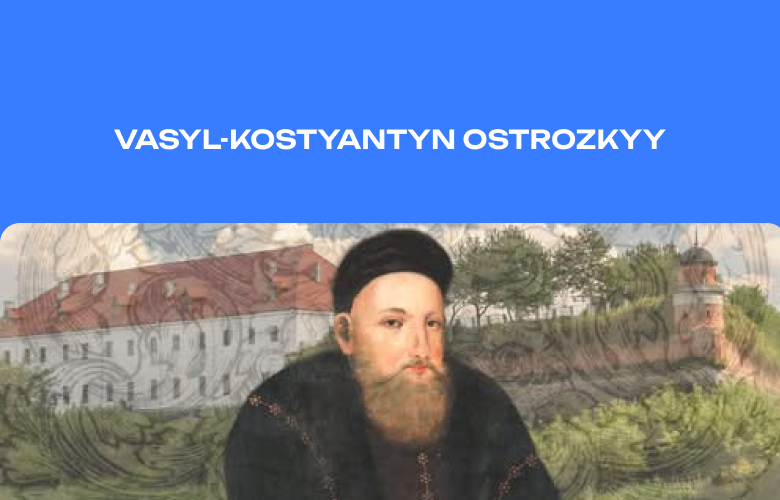
  44. Фундація імені князів-благодійників Острозьких
  45. ACAPS
  46. Alt-Energy / Аль-Енерго
  47. Asociatia Femeilor Profesioniste
  48. Association for Women’s Rights in Development (AWID)
  49. BARKA Foundation (Fundacja Pomocy Wzajemnej Barka)
  50. Bedfordshire and Luton Community Foundation
  51. Blessed Echoes Children Alliance
  52. Boyarka Community Foundation
  53. Bucharest Community Foundation
  54. Bureau d’Appui aux Programmes d’Education et de développement (BAPED)
  55. CENTRO PARA EL DESARROLLO DE LA AGRICULTURA SOSTENIBLE “KANTZAM”
  56. Charity Fund We UKrainians
  57. Christians United for Pastoralists (CUP)
  58. CIVICUS: World Alliance for Citizen Participation
  59. CO “Community Foundation “Bari”
  60. Community Foundation “Ridnya”
  61. Cumbria Community Foundation
  62. Dalit Community Foundation (DCF)
  63. Elite Crew
  64. Făgăraș Country Community Foundation
  65. Federacja Funduszy Lokalnych w Polsce
  66. Federation of Community Foundations in Poland
  67. Feminist Workshop
  68. fitt
  69. forumZFD
  70. Foundation “Community Donation Fund Sliven”
  71. Foundation “Moloda Gromada”/Young Community
  72. Foundation for Community Development
  73. Foundation Scotland
  74. Fundacja “Fundusz Lokalny Ziemi Płockiej – Młodzi Razem”
  75. Fundacja Dajemy Dzieciom Siłę/Empowering Children Foundation
  76. FUNDATIA COMUNITARA MURES
  77. Fundatia Comunitara Timisoara
  78. Galati Community Foundation
  79. Galvanizing Africa Consult Ltd
  80. Global Fund for Children
  81. Global Fund for Community Foundations
  82. Global Fund for Community Foundations
  83. Global Mentoring Initiative
  84. GlobalGiving
  85. Grassroots Development Initiatives Foundation-Kenya
  86. Gujarat Devi Pujak Seva Mandal.
  87. Healthy City Community Foundation
  88. Heidehof Stiftung GmbH
  89. Het Actiefonds
  90. Human Rights Funders Network (HRFN)
  91. Ikhala Trust
  92. Indonesian Society for Disaster Management
  93. Infinite Hope For Vulnerable Africa
  94. Information Charitable foundation “Friends’ Hands”
  95. Information Society Development Foundation
  96. Initiative Pananetugri pour le Bien-être de la Femme (IPBF)
  97. Initiative Pananetugri pour le Bien-être de la Femme (IPBF)
  98. Insight public organization
  99. Kenya Community Development Foundation (KCDF)
  100. Lincolnshire community foundation
  101. Lincolnshire community foundation
  102. Lokalna Fundacja Filantropijna Projekt
  103. London Community Foundation
  104. Loop
  105. MitOst e.V.
  106. New Paradigm Ventures
  107. NGO “AIESEC in Ukraine” | ВМГО “АЙСЕК в Україні”
  108. NGO “Institute of Socio-Economic Regional Studies”
  109. NGO “Information and Training Center of Public Initiatives”/ ГО “Інформаційно-тренінговий центр громадських ініціатив”
  110. NGO Pokrovsk League of Business and Professional Women
  111. NGO PROSTIR
  112. Nguzo Africa Community Foundation
  113. Nonviolent Peaceforce
  114. Nonviolent Peaceforce – Ukraine
  115. Northamptonshire Community Foundation
  116. Ourloop
  117. Outer Voices
  118. Pachhat Varg Vikas Mandal.
  119. Pachhat Varg Vikas Mandal.
  120. Podkarpackie Stowarzyszenie dla Aktywnych Rodzin
  121. PREDIKT
  122. PREDIKT Indonesia
  123. PUBLIC ORGANIZATION «CENTER FOR REFORM, DEMOCRACY AND RIGHT»
  124. Romanian Federation for Community Foundations
  125. Roots and Wings Foundation
  126. RSM Consultores
  127. RSM Consultores, SA de CV
  128. Solidarity Foundation
  129. South Sinai Foundation
  130. South Yorkshire Community Foundation
  131. Southern African Community Minerals Association
  132. Specialized school No. 124
  133. STAR Ghana Foundation
  134. Stara Zagora Community Foundation
  135. Start Network
  136. TalkToLoop.org
  137. Tara Fagarasului Community Foundation
  138. Techfugees
  139. Tewa
  140. The Kharkiv Charitable Community Foundation «TOLOKA»
  141. The RINGO Project
  142. The Roll a Hippo Foundation
  143. The Snow Mountain Community Fund
  144. Timisoara Community Foundation
  145. Toloka NGO
  146. TrustRoots Network
  147. Twerwaneho Listeners Club
  148. Two Ridings Community Foundation
  149. U-saved UA
  150. UK Community Foundations
  151. UkraineNow.ch
  152. Ukrainian Media League / Українська Медіа Ліга
  153. UkrKidsHub
  154. Urgent Action Fund for Women’s Human Rights
  155. Voznesrnsk community foundation
  156. West Africa Civil Society Institute (WACSI)
  157. Women’s March
  158. www.hunhelp.com
  159. Young Feminist Europe
  160. Youth Council of Sukhopolovyanska village council Pryluky district Chernihiv region
  161. Zaklada Zamah
  162. Zywiec Development Foundation

List of persons who signed:

  1. Алена Данилова, Ukraine
  2. Аліна, Ukraine
  3. Анацька Анастасія, Ukraine
  4. Анна Потриваєва, Ukraine
  5. Вадим Вареник, Ukraine
  6. Вікторія, Ukraine
  7. Ворчак Богдана, Ukraine
  8. Голоборода Олена, Ukraine
  9. Дмитро Федорчак, Ukraine
  10. Елена Олейник, Ukraine
  11. Євгеній Миколаєнко, Ukraine
  12. Євгенія Бондарь, Ukraine
  13. Заряна Пека, Ukraine
  14. Інна, Ukraine
  15. Ковальова Ганна, Ukraine
  16. Ковальова Наталія, Ukraine
  17. Колесниченко Ольга, Ukraine
  18. Корина, Ukraine
  19. Кудактина Ирина, Ukraine
  20. Куницька Тетяна, Ukraine
  21. Максим, Ukraine
  22. Маляр Тетяна, Ukraine
  23. Марина Бондарева, Ukraine
  24. Микола Дмітрієв, Ukraine
  25. Михаил Василькив, Ukraine
  26. Наталія, Ukraine
  27. Наталія Бойко, Ukraine
  28. Наталья, Ukraine
  29. Олена, Ukraine
  30. Олена Дорошенко, Ukraine
  31. Ольга, Ukraine
  32. ОlesiaUkraine
  33. Поліна Погановська, Ukraine
  34. Татьяна, Ukraine
  35. Тетяна, Ukraine
  36. Тетяна Пасічниr, Ukraine
  37. Тamara Malkova, Ukraine
  38. Юлия Сычева, Ukraine
  39. Юлія, Ukraine
  40. Яна, Ukraine
  41. Aizat Shakieva, Kyrgyzstan
  42. Alex Fisher, United Kingdom
  43. Alex Martins, United Kingdom
  44. Alex Ross, New Zealand
  45. Alexandra Humphreys, Portugal
  46. Alexandru Dan Neagu, Romania
  47. Anastasiia, Ukraine
  48. André Clarke, United Kingdom
  49. Anna, Ukraine
  50. Anna Litvinenko, Ukraine
  51. Ansis Bērziņš, Latvia
  52. Antonina, Ukraine
  53. Anya Ievtushenko, Netherlands
  54. Axel Halling, Germany
  55. Barbara Nöst, Zambia
  56. Bayu Tri Hanggoro, Indonesia
  57. Béatrice Mauconduit, Denmark
  58. Beznosiuk Anastasiia, Ukraine
  59. Bobe Monica, Romania
  60. Bugayenko Svitlana, Ukraine
  61. Carmen Tse, Canada
  62. Charles Howerton, United States
  63. Christine Persaud, Canada
  64. Clara Vaz, Canada
  65. Colleen du ToitSouth Africa
  66. Cristiana Metea, Romania
  67. Dana RH Doan, USA / Việt Nam
  68. Diana Uwinema, Rwanda
  69. DMYTRO Sushchevski, Israel
  70. Eka Datuashvili, Georgia
  71. Ekaterina Posunkina, Ukraine
  72. EPHRAIM TEMBO, Zambia
  73. Ese Emerhi, Nigeria
  74. Eshban Kwesiga, Uganda
  75. Fran Girling, UK
  76. Galina Maksimović, Serbia
  77. Gareth Mace, UK
  78. Hanna, Україна
  79. Hanna Shepeleva, Ukraine
  80. Heidi Oyugi, Kenya
  81. Hugo Slim, UK
  82. hvale vale,
  83. Ievgen, Vovk
  84. Illya Tsapuk, Ukraine
  85. Irina, Ukraine
  86. Iryna, România
  87. Isabella Jean, United States
  88. Iwona Olkowicz, Poland
  89. Jannelle Wilkins, Costa Rica
  90. Jenne de Beer, Netherlands
  91. Jenny Hodgson, South Africa
  92. Joanna Hill, United Kingdom
  93. Jon Edwards, United Kingdom
  94. Jonathan Glennie, UK
  95. Juliette Nathalie BAKYONO, Burkina Faso
  96. Justyna, Poland
  97. Kate Kifa, Ukraine
  98. Kate Lapham, United States
  99. Kateryna, Ukraine
  100. Kateryna Pylypak, Україна
  101. Kelly Shawn Joseph, United States
  102. Kristin Kim Bart, United States
  103. Ksenia Buglewicz, Poland
  104. Lesia, Україна
  105. Lesya Savytska, Poland
  106. Lian Yi Yong, Australia
  107. Liliia Gal, Ukraine
  108. Maeva Bonjour, Netherlands
  109. Małgorzata Makowska, Poland
  110. Mandela Nelson, South Sudan
  111. Maria J Pinzon, Colombia
  112. Mariana Sandoval, Mexico
  113. Marie Courraud, France
  114. Mariia Lagun, Ukraine
  115. Marina, Ukraine
  116. Martijn Blom, The Netherlands
  117. Maryna, Ukraine
  118. Maryna Yusyn/Марина Юсин, Ukraine/Украъна
  119. Mitchell Bayer-Goldman, England
  120. mnelson@oxfam.org.uk, South Sudan,
  121. Morhun Vladyslava,
  122. Moureen Jonyo, Kenya
  123. Ms S A Wright, United Kingdom
  124. Muhammad Zubair Naeem, Pakistan
  125. Mykola Bahinskyi, United States
  126. Natalia Kotyla, Poland
  127. Nataliia, Украина
  128. Neil Dillon, United Kingdom
  129. Nick Deychakiwsky, USA
  130. Nicola Braggins, France
  131. Nikolaus Hutter, Austria
  132. Nina, Ukraine
  133. Nino Ugrekhelidze, Georgia
  134. Nora Lester Murad, USA
  135. Oana Petrescu, Romania
  136. Oana Poiana, Romania
  137. Oksana, Ukraine
  138. Oleg Yarovy, Ukraine
  139. Oleksandr Ternovyi, Germany
  140. Oleksandra Klochko/Олександра Клочко, Ukraine/Україна
  141. Olha, Ukraine
  142. Olha Bahnat, Ukraine
  143. Ozge Olcay,
  144. Pastor Chisenga Kunda, Zambia
  145. Pauline Boyer, France
  146. Petro Lymar, Ukraine
  147. Pryhornieva Mariia, Ukraine
  148. Qurban Ali, Pakistan
  149. Rafał Serafin, Polska
  150. Renata Hlushchenko, Ukraine
  151. Renji George Joseph, India
  152. Ron Sangal, United Kingdom
  153. Sam Sherman,
  154. Saskia Hostetler Lippy MD, USA
  155. Sevdalina Rukanova, Netherlands
  156. Simon Middleton, United Kingdom
  157. Simona srebrov, Romania
  158. Simone Esterlita Moodley, South Africa
  159. Stanisław Knaflewski, Poland
  160. Subilo Malema, Zambia
  161. Svitlana, Ukraine
  162. Svitlana Prishchenko, Ukraine
  163. Tanja Abubakar-Funkenberg, Germany
  164. Tarisai, Zimbabwe
  165. Tetiana Demchuk, Ukraine
  166. Tetyana, Ukraine
  167. Tricia Sibbons, UK
  168. Tsaairoh, Indonesia
  169. Uliana Morokhovska, Ukraine/Romania
  170. Ulyana Navdzha, Ukraine
  171. Vasyl, Ukraine
  172. Victoriia, Ukraine
  173. Viktória Horváth, Hungary
  174. Viktoriia NABOKOVA, Украина
  175. Vitaliia, Ukraine
  176. Vitaliy Vysochin, Ukraine
  177. Vlada Kravtsova, United Kingdom
  178. Vova, Ukraine
  179. Wanjiru Kanyiha, Kenya
  180. Wendy Richardson, Belgium
  181. YELIZAVETA, Ukraina
  182. Yelizaveta Yanovich, USA
  183. Yelyzaveta Vovchenko, France
  184. Yuliia, Ukraine
  185. Yuliia Berliner, Україна
  186. Yuliia Yefanova, Украина
  187. Zhuk Oksana, Romania
  188. Zinchenko Tetiana, Ukraine
Поділитись
Article
Olena Pchilka: A Philanthropist of Ukrainian Culture

Olena Pchilka: A Philanthropist of Ukrainian Culture

Article
What Is Philanthropy and How Does It Differ from Charity

What Is Philanthropy and How Does It Differ from Charity

Article
The Symyrenko Family: Ukrainian Entrepreneurs and Philanthropists Who Shaped Ukrainian Culture

The Symyrenko Family: Ukrainian Entrepreneurs and Philanthropists Who Shaped Ukrainian Culture

Article
Light for pre-frontline Kharkiv

Light for pre-frontline Kharkiv

Article
A community foundation from Kramatorsk on an international conference in Africa

A community foundation from Kramatorsk on an international conference in Africa

Article
‘I thought it would be an inspection, but it turned out to be a partnership’

‘I thought it would be an inspection, but it turned out to be a partnership’

PDF file
More Than a Report:  The Work of Ukraine’s Community Foundations 2022-2025

More Than a Report: The Work of Ukraine’s Community Foundations 2022-2025

PDF file
Ukrainian Philanthropy 2025: Who gives, How and Why

Ukrainian Philanthropy 2025: Who gives, How and Why

PDF file
Handbook after volunteering in community foundations

Handbook after volunteering in community foundations

PDF file
Partnership across borders: how the diaspora and NGOs are shaping new models of cooperation

Partnership across borders: how the diaspora and NGOs are shaping new models of cooperation

Article
The Principle of Neutrality: Its Origins and Views of International Organizations

The Principle of Neutrality: Its Origins and Views of International Organizations

Article
Ancestors of Ukrainian Philanthropy!

Ancestors of Ukrainian Philanthropy!

PDF file
The role of Ukraine’s community foundations in a time of war

The role of Ukraine’s community foundations in a time of war

Article
Why is it important to donate regularly?

Why is it important to donate regularly?

Article
How can Ukrainian literature be useful to civil society activists?

How can Ukrainian literature be useful to civil society activists?

Article
Ukrainian Youth Developing Their Communities and Contributing to Victory

Ukrainian Youth Developing Their Communities and Contributing to Victory

Article
Numbers or meanings? How the logic of measuring results in donor relations is changing

Numbers or meanings? How the logic of measuring results in donor relations is changing

Article
To be effective or neutral?

To be effective or neutral?

Open letter
War is not a conflict. An open letter

War is not a conflict. An open letter

Article
Science that would not have happened without philanthropists

Science that would not have happened without philanthropists

Article
What experience can the Ukrainian NGO sector learn from the international community?

What experience can the Ukrainian NGO sector learn from the international community?

Article
The story of the creation of The Ukraine Local Pooled Fund

The story of the creation of The Ukraine Local Pooled Fund

Article
“What Unites Us with the Youth is the Opportunity to Create Social Change in Our Community”

“What Unites Us with the Youth is the Opportunity to Create Social Change in Our Community”

Article
Data as a Tool for Change: How Monitoring and Evaluation Strengthen Organizations and Their Projects

Data as a Tool for Change: How Monitoring and Evaluation Strengthen Organizations and Their Projects

PDF file
Research: “Philanthropy in Ukraine: who gives, how and why”

Research: “Philanthropy in Ukraine: who gives, how and why”

Open letter
The open letter “Solidarity in action”

The open letter “Solidarity in action”

Article
​Ukrainian local organizations are 15.5% more cost-effective than international NGOs – the study

​Ukrainian local organizations are 15.5% more cost-effective than international NGOs – the study

Article
Recommendations for creating organizational development programs for local NGOs

Recommendations for creating organizational development programs for local NGOs

Article
What #ShiftThePower means to us

What #ShiftThePower means to us

Article
Darya Rybalchenko: We Need to Agree on Principles — How We See Our Future Ukraine.

Darya Rybalchenko: We Need to Agree on Principles — How We See Our Future Ukraine.

Article
“Donors Are Real People. We Are Also Tired of Bureaucracy”

“Donors Are Real People. We Are Also Tired of Bureaucracy”

Article
How to preserve the donor culture?

How to preserve the donor culture?

Article
Why do organisations need networks and partnerships?

Why do organisations need networks and partnerships?

Article
The history of charity in Ukraine.

The history of charity in Ukraine.

Article
The power of local organisations

The power of local organisations

Article
Peace is not only the absence of war, but also peace in the community and society!

Peace is not only the absence of war, but also peace in the community and society!

Article
Youth development within the framework of the Youth Initiative Banks project

Youth development within the framework of the Youth Initiative Banks project

Article
How community foundations from around the world support Ukraine

How community foundations from around the world support Ukraine

Article
Experience of cooperation with ShelterBox

Experience of cooperation with ShelterBox

Article
The Impact of Localization of International Aid

The Impact of Localization of International Aid

Article
How to fill out a project application to pass?

How to fill out a project application to pass?

Article
Were There Volunteers During World War II?

Were There Volunteers During World War II?

Article
Localization of resources as a means to accelerate the development of civil society in Ukraine

Localization of resources as a means to accelerate the development of civil society in Ukraine

Article
Results of the round table for Ukrainian public organizations

Results of the round table for Ukrainian public organizations

Article
How to Choose a Ukrainian Organization to Support

How to Choose a Ukrainian Organization to Support

Open letter
​ If not now, when?

​ If not now, when?